
Natural wines are a topic of contention within the wine industry. It is a movement that has gained significant attention in recent years, as the number of consumers looking for wines made with minimal intervention and fewer additives increases. Advocates for natural wine argue that allowing grapes to ferment without the use of chemicals and other synthetic substances results in a product that is more authentic, expressive, and healthier.
Some in the wine industry are reluctant to embrace the ‘fad’, citing concerns about consistency and spoilage of natural wine. For example, known sommelier Jose Luis Betancur of B&B Hospitality Group, wrote, “The reason why SO2 (sulfur dioxide) has been used in winemaking forever is to help stabilize the wine and preserve it. This is wine, it should not taste like kombucha.” Sulfur dioxide is a preservative added to wine to prevent oxidation and microbial spoilage, good or bad for human health.
With natural wines on the other hand, scientific research has begun to validate the efficacy of natural winemaking methods. Studies have shown that natural wine contains higher levels of beneficial bacteria and antioxidants than conventional wine, suggesting that it may have health benefits beyond those of traditional wine.

Despite the skepticism of some wine professionals, natural wine has resonated powerfully with consumers. Part of its appeal lies in its authenticity and its connection to the land and the winemaker’s craft. It is also an important step towards more sustainable and environmentally-friendly winemaking practices, which are increasingly important as the wine industry faces challenges from climate change and other threats.
Notable figures in the natural wine movement include Jules Chauvet and Marcel Lapierre, who advocated for natural winemaking practices before they were widely accepted. Their legacy id carried on through the work of contemporary writers such as Alice Feiring, who has extensively commentated on the subject of natural wine, and Kermit Lynch, who has been a vocal proponent of natural wine for decades.
That all sounds great, but still wondering what the actual differences are between natural wine and conventional wine? Here they are:
- Ingredients: Natural wines are made with grapes that are grown organically or biodynamically, which means that they are free from synthetic pesticides, fertilizers, and other chemicals. In contrast, conventional wines are often made with grapes that have been treated with these chemicals.
- Additives: Natural wines are made without the use of additives, such as sulfites, which are commonly used in conventional wines to preserve them and prevent spoilage. Natural wines may also be made without the use of other additives, such as yeast or sugar.
- Fermentation: Natural wines are fermented using only the natural yeasts that are present on the grapes and in the winery environment. In contrast, conventional wines are often fermented using commercially produced yeasts.
- Aging: Natural wines are typically aged in oak barrels or concrete tanks, while conventional wines are often aged in stainless steel tanks.
- Flavor: Natural wines tend to have a more complex and nuanced flavor profile, with a greater emphasis on terroir (the unique characteristics of the vineyard and growing conditions). Conventional wines may have a more standardized flavor profile, with less emphasis on terroir.
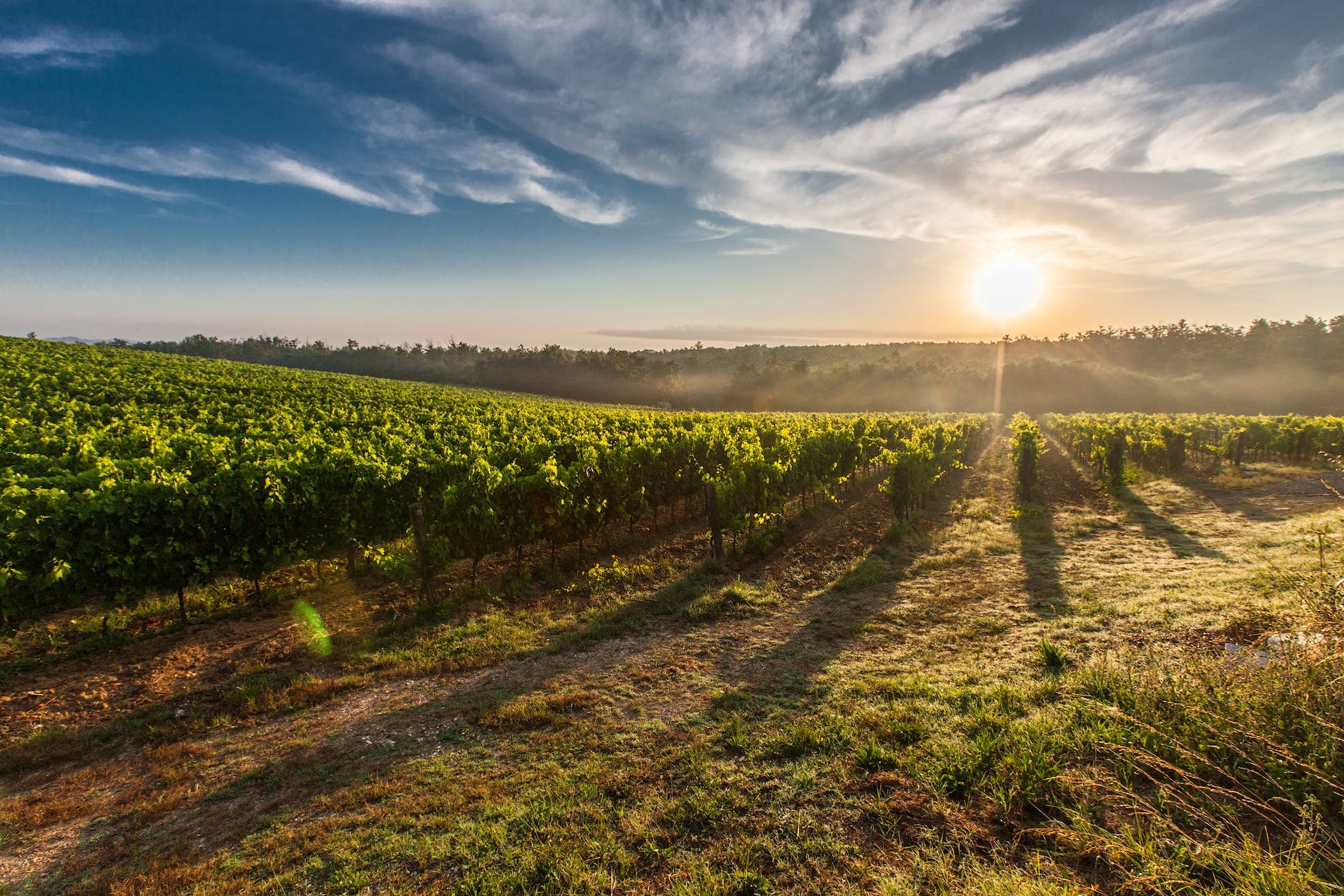
Overall, while there are valid arguments both for and against natural wine, it ultimately comes down to personal taste and values. Some may appreciate the unique flavors and sustainable practices of natural wine, while others may prefer the consistency and affordability of conventional wines.
For me, while there are certainly criticisms of the natural wine movement, it represents an important shift towards more sustainable and environmentally-friendly winemaking practices. Moreover, the unique flavors and aromas found in natural wines make them a compelling choice for wine lovers looking for something different.


 Simply James
Leave a comment